What could you let go of, for the sake of harmony?
I would try to let go of stress but so hard to do so because of too many people in this world that causes stress when driving or in crowds.. The cost of living is so extravagant that all we do is struggle so that also causes stress to rear it’s head.
So harmony? Don’t know what that feels like anymore!
Describe your most memorable vacation.
That will be hard for me!
I have actually had a few while we were able to afford it back then.
I’m going to list them because they were all memorable and worth sharing!
Florida- to swim with dolphins! I was able to experience the first with my daughter and cousin! The second with my husband on a seperate trip.
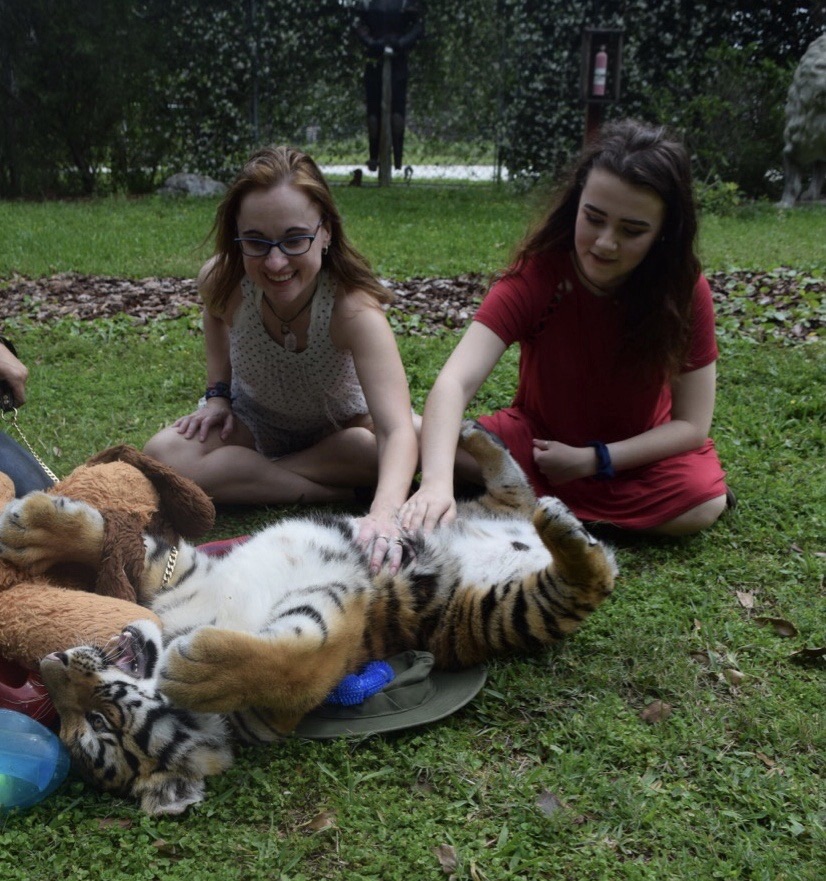
Another trip to florida specifically to pet a tiger with my daughter and to meet Hope and Winter from dolphin tale movies!
My most recent trip was to Michigan with my husband to see as many lighthouses as we could!
We actually stayed in a lighthouse for our 5 days and it was amazing!
Big Bay point lighthouse!
I won’t show all of them due to being quite a few!!
20!! They have over 100 so we barely scratched the surface! Will definitely go back when we can to visit many more !!!!
Finding joy in secondhand items, like those found at thrift stores, can be a rewarding experience, offering a sense of satisfaction and unique style. It’s about appreciating the value and history of pre-owned goods, discovering hidden treasures, and contributing to a more sustainable lifestyle.


Here’s why finding joy in secondhand items is a positive experience:
1. Uniqueness and Individuality: Secondhand items often carry a unique character and history that new items lack. Thrifting allows you to express your individuality by curating a wardrobe or home decor that reflects your personal style, often with pieces you won’t find anywhere else.

2. Affordability and Value: Secondhand shopping offers significant cost savings compared to buying new items, allowing you to acquire quality goods at a fraction of the price.
3. Sustainability and Eco-Friendliness: Choosing secondhand goods is an environmentally conscious decision. It reduces waste, minimizes the demand for new production, and contributes to a circular economy.
4. The Thrill of the Hunt: The process of browsing through thrift stores, estate sales, or online marketplaces can be an exciting adventure. Finding that perfect item, the one you didn’t even know you were looking for, is a rewarding experience.
5. Connecting with the Past: Each secondhand item carries a story. You can appreciate the craftsmanship of older items, imagine the lives they’ve touched, and give them a new chapter in your own life.
6. Supporting Local Communities: Many thrift stores and secondhand shops are run by non-profit organizations or local businesses, contributing to the local economy and supporting charitable causes.
7. Creative Upcycling: Secondhand items can be a source of inspiration for creative projects. Upcycling, repurposing, and transforming pre-owned items into something new and unique allows you to add a personal touch and express your creativity.
8. Secondhand Happiness: The joy you find in discovering a great secondhand item can be contagious. Sharing your finds with friends, family, or online communities can bring joy to others as well, creating a sense of shared appreciation for the beauty and value of secondhand goods.
Ultimately, finding joy in secondhand items is about appreciating the beauty of what already exists, embracing sustainability, and discovering unique treasures while contributing to a more mindful and fulfilling way of life.
If you were forced to wear one outfit over and over again, what would it be?
Oh boy! Just one? Have you even seen my closet?
How am I to choose just one outfit!?
But ok, here goes, if I had to choose just the one (so not fair!)
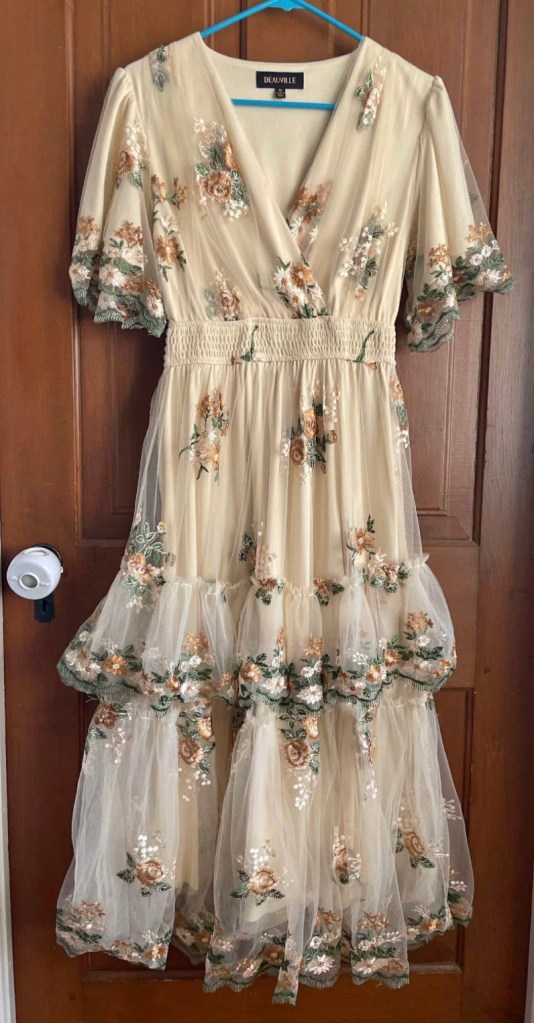
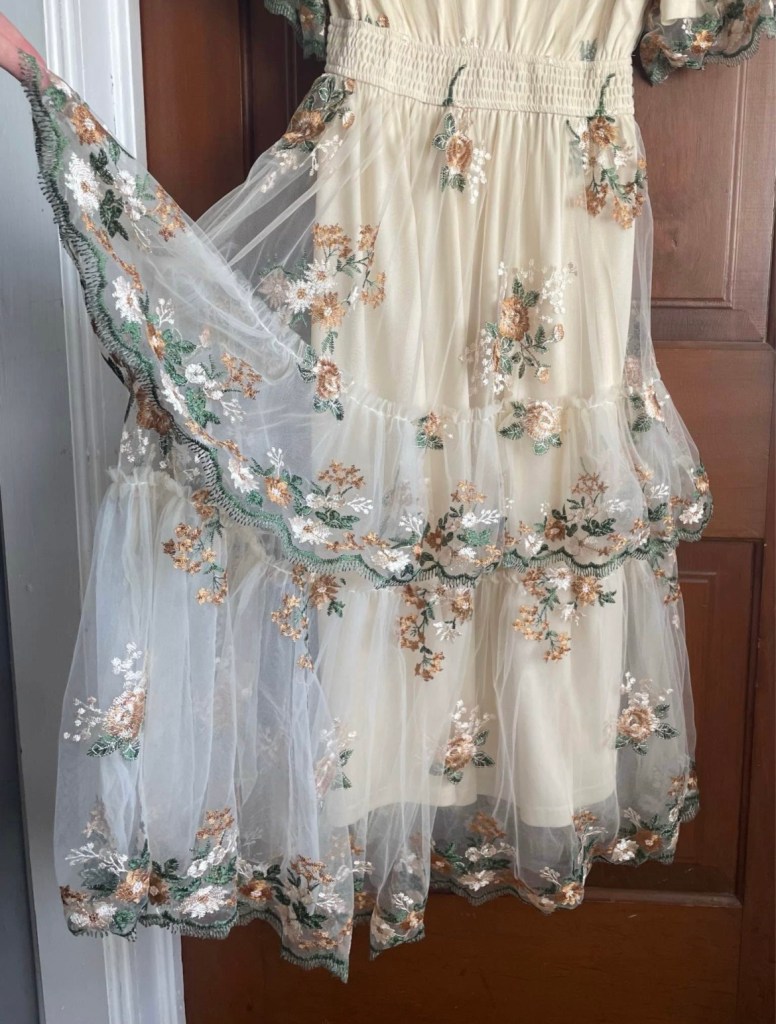
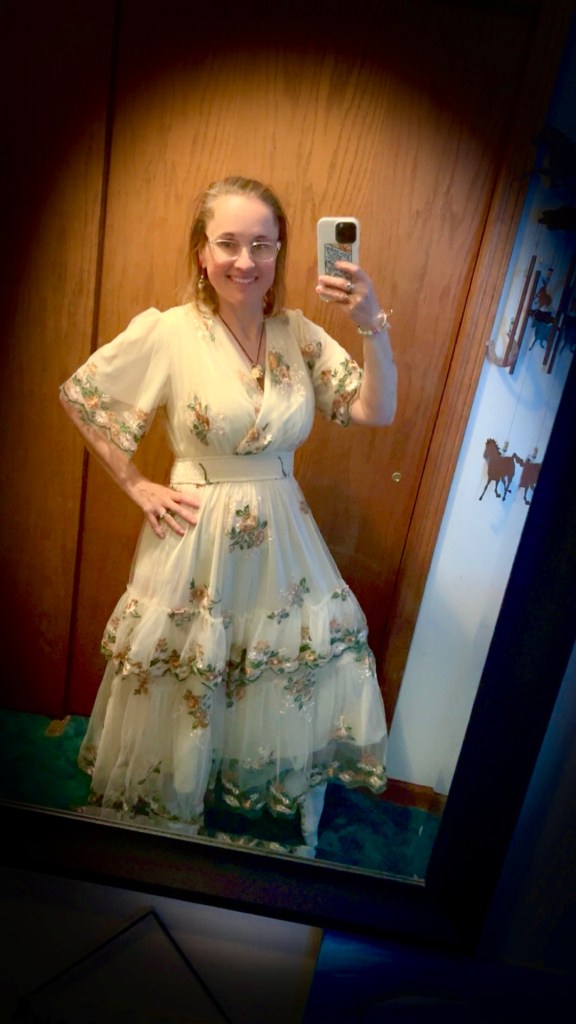
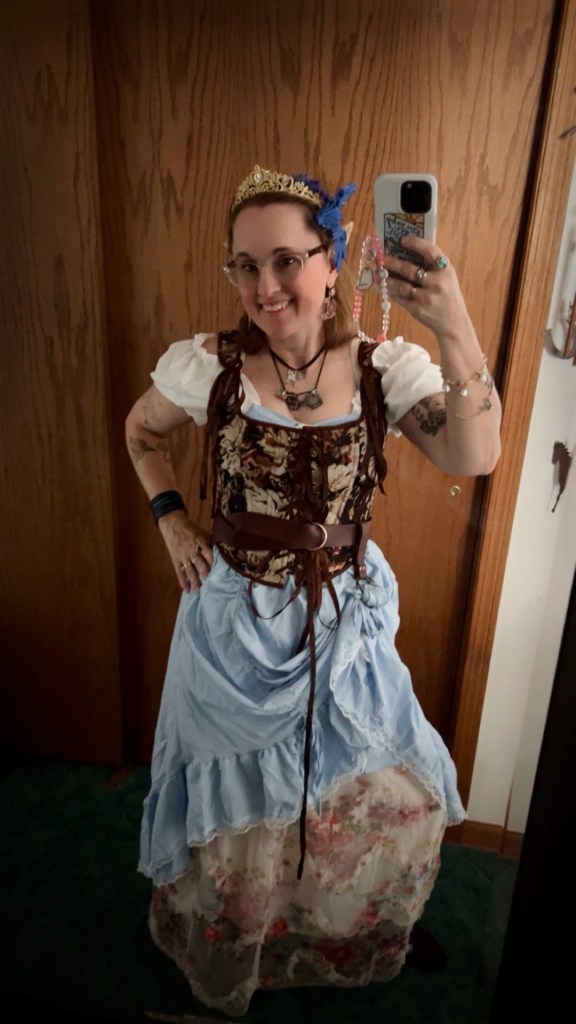
It would be my upcoming renaissance faire outfit with accessories! Simply fun and pretty! ( in my opinion!)💐
The purpose of painting is multifaceted, serving as a form of communication, self-expression, and a means of exploring the world around us. It can be a tool for emotional release, a mindfulness practice, and a way to connect with others on a deeper level. Ultimately, painting allows individuals to create, interpret, and share their unique perspectives through visual language.
Here’s a more detailed look at the purposes of painting:
Communication:Painting can convey ideas, emotions, and stories that might be difficult to express verbally. It allows artists to communicate their vision, whether it’s a realistic depiction of a scene or an abstract representation of their inner world.
Self-expression:Painting provides a way for individuals to explore their thoughts, feelings, and experiences. It can be a form of therapy, helping people process emotions and gain a better understanding of themselves.
Aesthetic enjoyment:Many paintings are created simply to be beautiful and visually appealing. They can bring joy to viewers, brighten spaces, and offer a moment of respite from the everyday.
Interpretation and meaning:Paintings can be open to interpretation, allowing viewers to bring their own perspectives and emotions to the work. This can lead to a deeper engagement with the artwork and a sense of personal connection.
Historical and cultural record:Throughout history, painting has served as a way to document events, beliefs, and cultural practices. It offers a visual record of past societies and helps us understand their values and perspective.
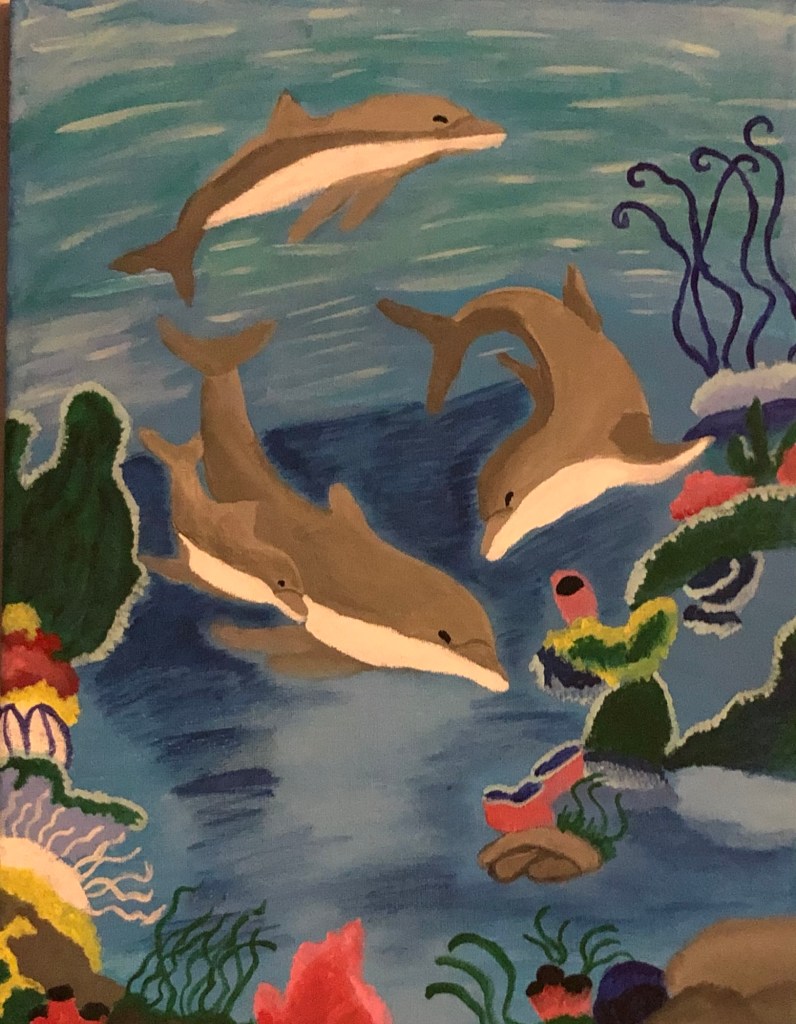
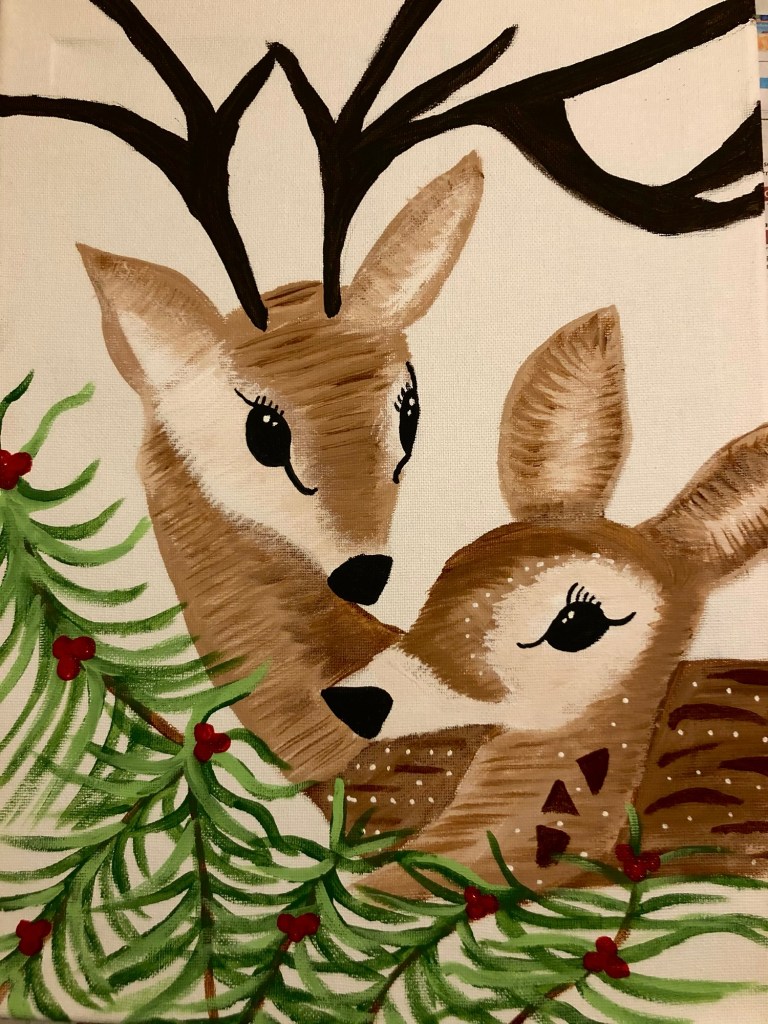
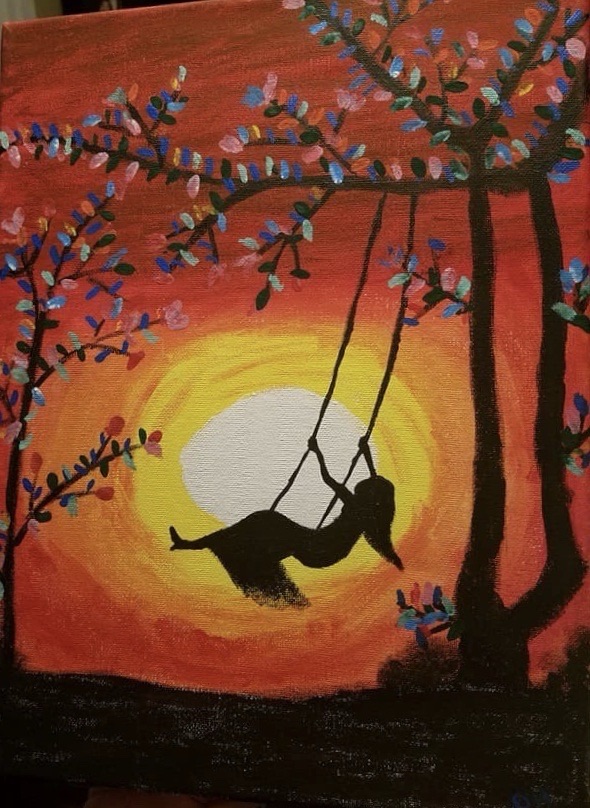
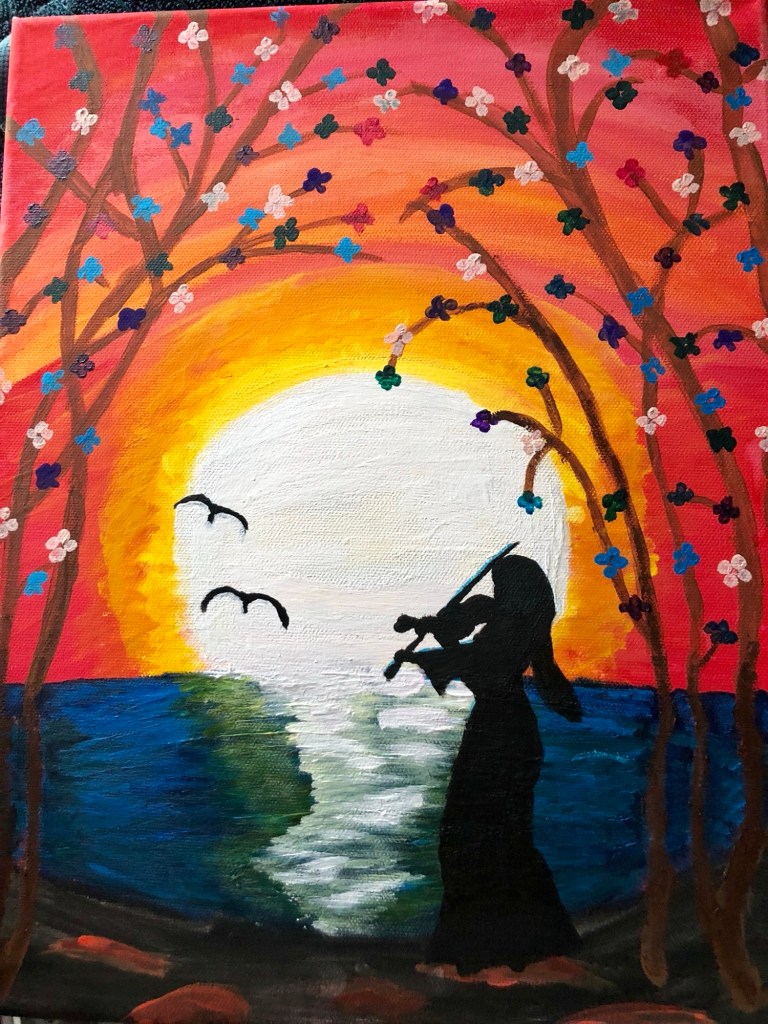
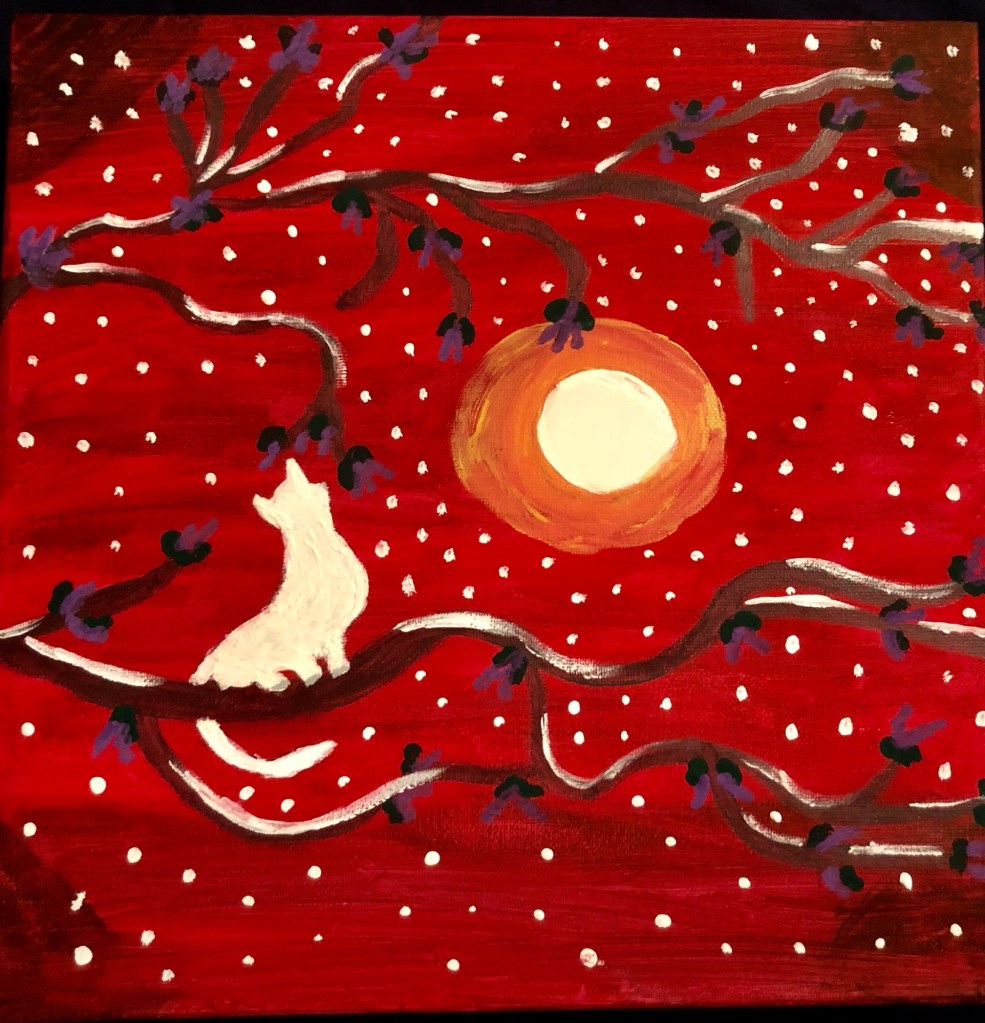
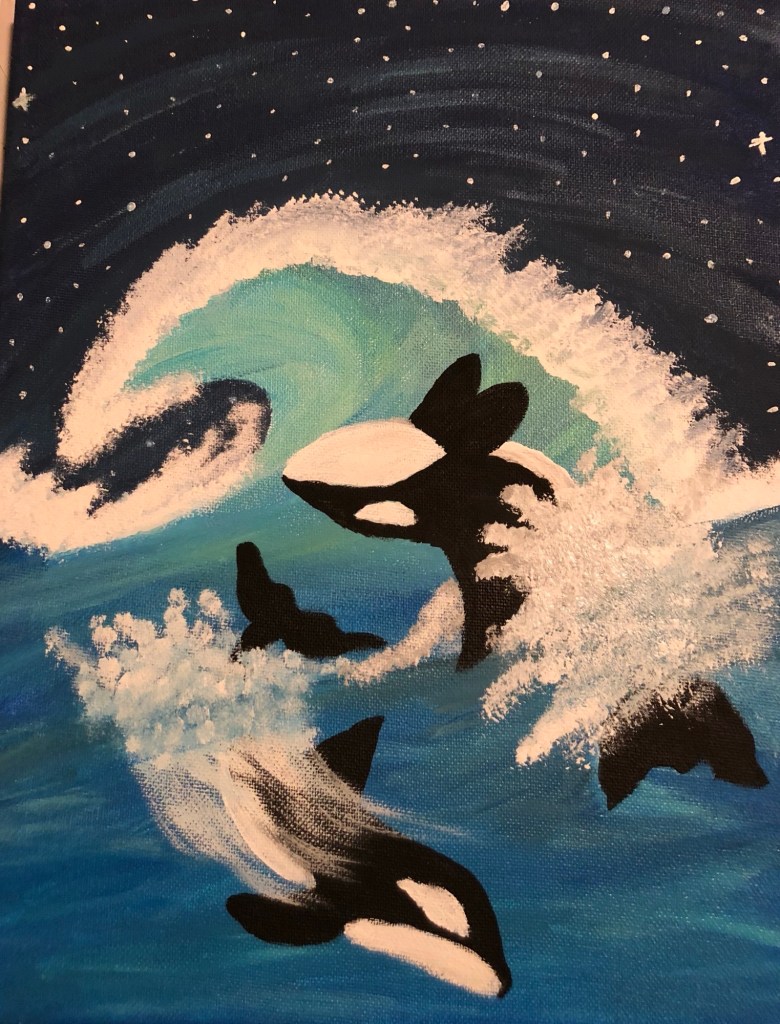
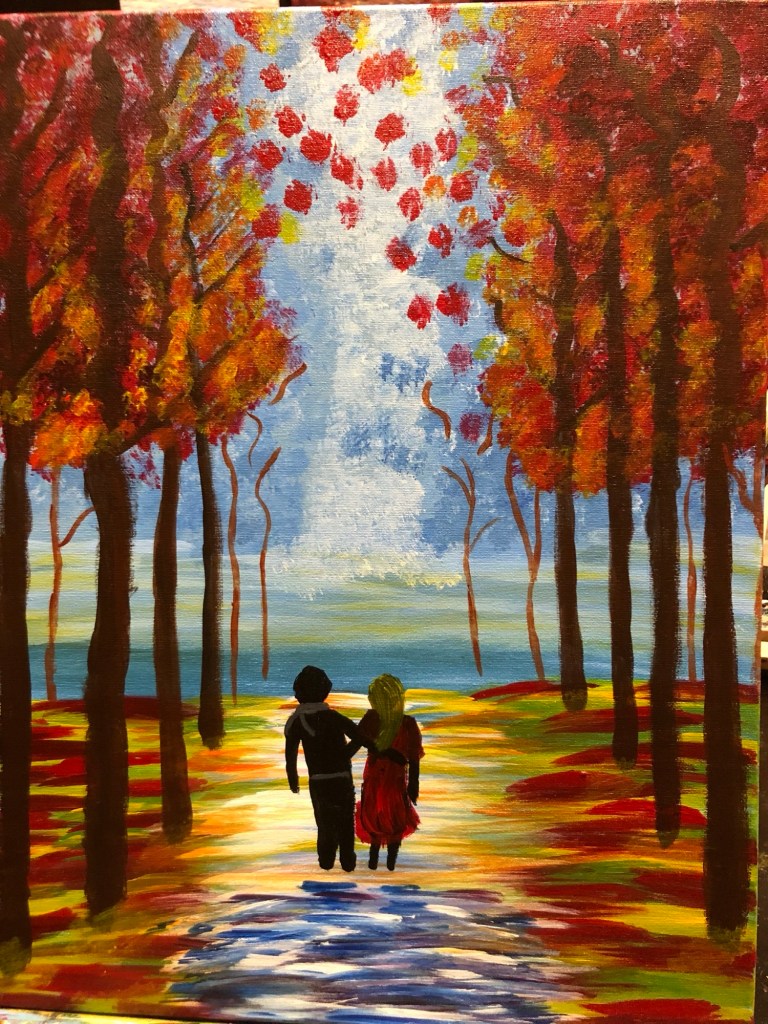
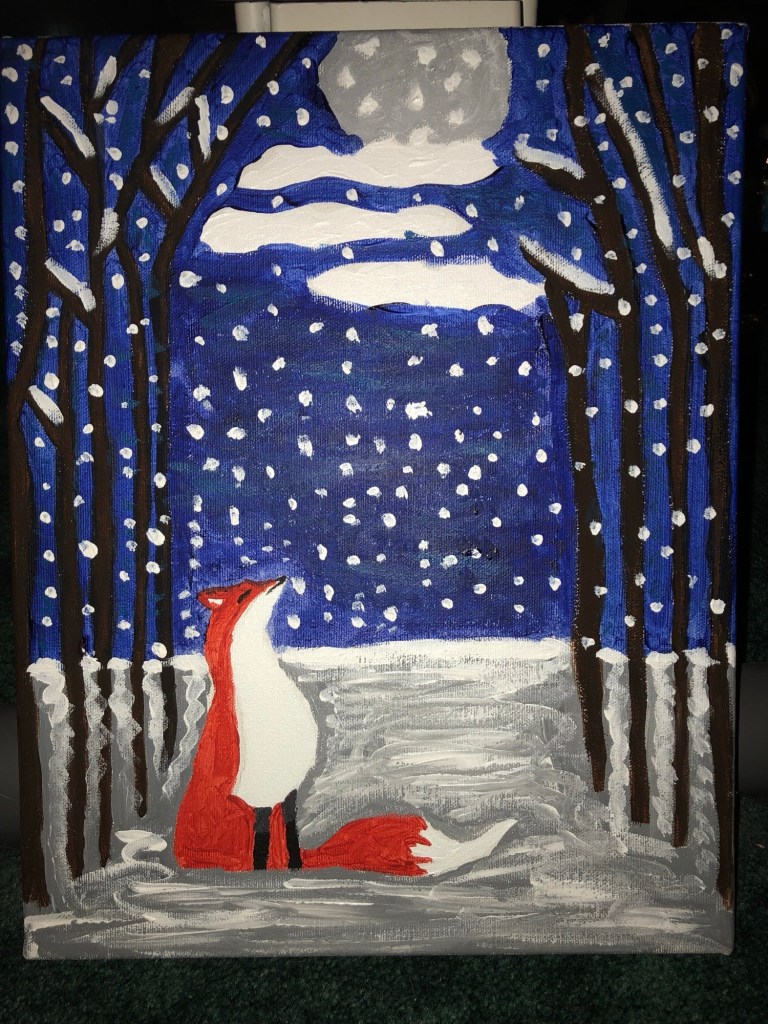
I will share some of mine that I have created below:
Titanic!Dolphins frolicking!Stormy lighthouse.Horseback riding!Mama & baby deer.Mermaid.Whee!!! Girl swinging!Daughter playing violin!Tiger!! Growl!!Tango- my kitty that passed.😥Killer whales at play!Couple strolling!Fox in the snow!
I have more but decided to end here, you can see I prefer silhouettes for painting people because I honestly can’t!
I hope that you have enjoyed looking at my paintings which I had fun doing!
I decided to share these which I normally don’t do because I know that they are not perfect but they were done by me!😊
What’s your definition of romantic?
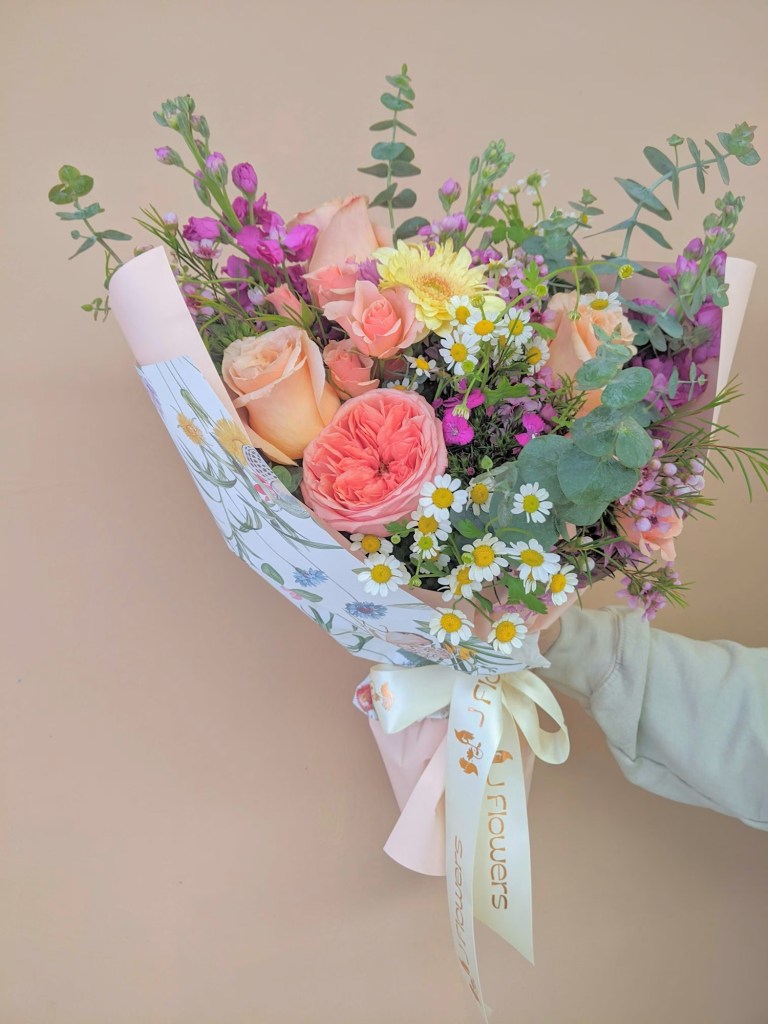
I think romantic would be flowers given for no reason. Just because you’re you!
Picnic together near water.
Taking walks while holding hands.
Dancing in the rain.
Romance, in the context of love, refers to the feelings of affection, attraction, and excitement experienced in a romantic relationship. It encompasses the emotional and physical intimacy, courtship behaviors, and gestures used to express love and build a strong bond between partners.
Excitement and novelty:It involves creating a sense of passion, anticipation, and excitement within the relationship, often through thoughtful gestures and experiences.
Romance as Actions:
Acts of love and affection:Romance can be expressed through various actions, such as giving gifts, planning dates, showing physical affection, and making an effort to understand and meet your partner’s needs.
Thoughtful gestures:Romance often involves going out of one’s way to show love and appreciation, whether it’s through small, everyday acts or grand romantic gestures.
Building intimacy:Romance helps build and maintain a strong emotional and physical connection between partners, which is vital for a fulfilling relationship.
Romance in Different Contexts:
Literary Genre:Romance also refers to a genre of literature that focuses on love stories, often featuring exciting events, adventure, or magical elements.
Romantic Orientation:This refers to the specific sex or gender with which a person experiences romantic attraction.
Romance as a Quality:It can also refer to a quality of excitement, mystery, or sentimentality associated with a place, experience, or historical period.
In essence, romance is a multifaceted concept that encompasses both the feelings of love and attraction, as well as the actions and behaviors that express and nurture those feelings.
Never ending closet. My clothing taste, yeah I know it varies. I am in love with vintage, but I also love the classic jean and T look.
Yes I have a clothing problem. No I dont want to fix it.
Fresh looks, endless possibilities. …
If the world starts closing in, you can catch me in my closet. I can be perfectly happy there, if I bring a bag of chips. …soda…..a book……
What are your daily habits?
I daily read alot!
Reading is the cognitive process of decoding symbols to understand the meaning of written or printed text. It involves recognizing letters and words, understanding their sounds, and then comprehending the overall message. Beyond basic decoding, reading encompasses comprehension, fluency, and motivation. It’s a fundamental skill with numerous cognitive and practical benefits.
Key Aspects of Reading:
Decoding: Recognizing and understanding the relationship between symbols (letters and words) and their corresponding sounds.
Comprehension: Grasping the meaning of what is read, including understanding the main idea, supporting details, and relationships between ideas.
Fluency: Reading smoothly and accurately with appropriate pace and expression.
Motivation: The desire and willingness to engage with reading.
Knowledge Acquisition:Reading expands knowledge, improves vocabulary, and increases understanding of various subjects.
Communication Skills:Reading improves writing, vocabulary, and overall communication abilities.
Stress Reduction:Reading can be a relaxing and enjoyable activity that reduces stress and promotes well-being.
Reading is a multifaceted skill and a valuable tool for learning, personal growth, and enjoyment
I pray every day for my family.
Praying is the act of communicating with God or a deity, typically through spoken or silent words, to express adoration, confession, supplication, or thanksgiving. It can involve formal rituals, like in Islamic Salat or Hindu Puja, or be a more personal, conversational approach. Ultimately, prayer is a way to foster a relationship with the divine.
Different Forms of Prayer:
Formal Prayer:Many religions have specific prayers or rituals that are practiced at designated times or in designated places. Examples include the five daily prayers in Islam (Salah) and the structured prayers in various Christian denominations.
Informal Prayer:This encompasses personal, spontaneous prayers, where individuals communicate with God or their deity in their own words and through their own thoughts and feelings.
Prayer as Communication:Prayer can be seen as a conversation with God, where individuals can express their joys, concerns, and needs, as well as offer praise and thanksgiving.
Prayer as a Tool for Spiritual Growth:Prayer can be a means of seeking guidance, wisdom, and strength, as well as a way to deepen one’s relationship with the divine.
Examples of prayer in different religions:
Christianity:Christians pray to God, often through Jesus Christ, expressing adoration, confession, thanksgiving, and supplication. They may use formal prayers like the Lord’s Prayer or engage in personal, spontaneous prayer.
Islam:Muslims pray five times a day (Salah), facing the Kaaba in Mecca. These prayers involve specific rituals and recitations.
Hinduism:Hindus pray through Puja, which includes rituals, offerings, and prayers, often in temples or at home.
Buddhism:Prayer in Buddhism is often directed towards Buddhas and Bodhisattvas, and can involve chanting, meditation, and visualization.
In essence, prayer is a diverse practice with various forms and purposes, but it generally involves communicating with the divine in an attempt to connect with something greater than oneself.
I play with my cats, ❤️
Playing with cats is a great way to bond, provide exercise, and engage their natural hunting instincts. Cats enjoy a variety of play styles, including interactive games with toys, exploring puzzle toys, and even engaging in simple games like hide-and-seek or playing fetch. Regular play sessions, even short ones, can keep cats entertained and prevent boredom.
Here’s a breakdown of how to play with your cat:
Understand your cat’s play preferences:Some cats love chasing laser pointers or wand toys, while others prefer puzzle toys or even just batting at wadded-up paper.
Mimic natural hunting behaviors: Move toys in ways that mimic prey, such as darting, hiding, and pouncing.
Keep play sessions short and frequent:Cats can lose interest if play sessions drag on for too long, so several short bursts of activity are better than one long session, according to PetMD.
Use a variety of toys: Rotate toys to keep things interesting and prevent boredom.
Avoid using your hands or feet as toys:This can encourage biting and scratching.
End play sessions positively: Let your cat “catch” the toy and offer praise or a treat.
Examples of play activities:
Interactive toys:Use wand toys, laser pointers, or chase toys to engage your cat’s hunting instincts.
Puzzle toys:These toys make your cat work for their treats, providing mental stimulation.
Hide-and-seek:Hide and call your cat’s name, or let them find you.
Cardboard box play:Cats love exploring boxes, and you can enhance the fun by adding crinkled paper or treats.
DIY toys:Make a simple ball of aluminum foil or use a paper bag for your cat to bat around.
I also love to hike!
Hiking is a popular outdoor activity involving walking for recreation, often on trails in natural settings like woods, mountains, or deserts. It’s a great way to exercise, explore nature, and enjoy scenic views. Hiking can range from short, easy walks to challenging multi-day backpacking trips.
Here’s a more detailed look at hiking:
What is hiking?
Hiking is essentially a long, vigorous walk, typically on trails or paths, but it can also be off-trail in more rugged terrain.
It’s a recreational activity that combines physical exercise with the enjoyment of nature and scenery.
Hiking can be done alone or with others, and can be a day trip or an extended backpacking adventure.
Why is hiking popular?
Health benefits:Hiking is a great way to improve cardiovascular health, build muscle strength, and improve balance. It can also help with weight management and reduce the risk of certain diseases.
Mental well-being:Spending time in nature while hiking has been shown to reduce stress, improve mood, and boost creativity.
Exploration and adventure:Hiking allows you to discover new places, experience different landscapes, and connect with the natural world.
Social activity:Hiking can be a fun and engaging activity to enjoy with friends, family, or hiking groups.
Hiking in Wisconsin:
Wisconsin offers a wide variety of hiking trails, from easy, scenic paths to challenging multi-day adventures.
Travel Wisconsin says the state boasts nearly 3,000 miles of trails in state parks alone.
Essentials:Hiking boots, comfortable clothing (layers), a backpack, plenty of water, food, a map, compass, and a first-aid kit are essential for any hike.
Safety precautions:Be aware of your surroundings, stay on marked trails, and let someone know your hiking plans.
Weather conditions:Check the weather forecast before heading out and be prepared for changing conditions.
LIFE isn’t always perfect But it is yours to live. Make it memorable. Spread love and joy. Live each day to it’s fullest. Never settle for less. Let go of the past and live for today.
What are you most worried about for the future?
I always worry during the 4th of July! It has been so hot and dry lately and I fear fire! I would hope that people would be smart and not set any off but unfortunately I have found that to not be true!
The idea of fairies in a garden is a whimsical and popular concept, often associated with creating miniature fairy gardens. While fairies are mythical creatures, the practice of building fairy gardens is a fun way to engage with nature, spark creativity, and add a touch of magic to outdoor spaces.
Here’s a more detailed look:
Fairy Gardens:
Concept:Fairy gardens are miniature gardens designed to evoke a sense of enchantment and create a space where fairies might live.
Materials:They can be created in pots, containers, or directly in the ground, using a variety of plants, small structures like houses and furniture, and natural elements like stones, moss, and twigs.
Location:Fairy gardens are often placed in areas that feel natural and secluded, such as under trees, near flowerbeds, or in quiet corners of the yard.
Inspiration:Many people find inspiration from books, movies, and folklore about fairies, as well as from nature itself.
Fairies in Folklore:
Mythical Creatures:Fairies are often depicted as small, magical beings associated with nature, often with wings and a connection to flowers and plants.
Guardians of Nature:In some traditions, fairies are seen as guardians of nature, protectors of plants and animals, and keepers of the balance in the natural world.
Helpers and Fixers:Fairies are sometimes portrayed as helpers in the garden, assisting with tasks like tending to flowers or fixing broken branches.
Creating Your Own Fairy Garden:
1. Choose a Location:Pick a spot in your yard that is relatively sheltered and has good drainage.
2. Select Plants:Choose a variety of small plants, like succulents, mosses, creeping thyme, and miniature flowers, that will thrive in your chosen location.
3. Gather Materials:Collect rocks, twigs, small pieces of wood, and other natural elements to create pathways, houses, and other features.
4. Add Accessories:Incorporate miniature furniture, fairy doors, and other decorative elements to bring your fairy garden to life.
5. Invite the Fairies:Some people believe that leaving small gifts like shiny stones or sweet treats can encourage fairies to visit.
Beyond the Garden:
Imaginative Play:Fairy gardens can be a great way to encourage imaginative play and storytelling, especially for children.
Connection to Nature:Building and tending a fairy garden can help foster a deeper appreciation for nature and the outdoors.
Artistic Expression:Creating a fairy garden is a creative outlet that allows you to express your own unique style and imagination.