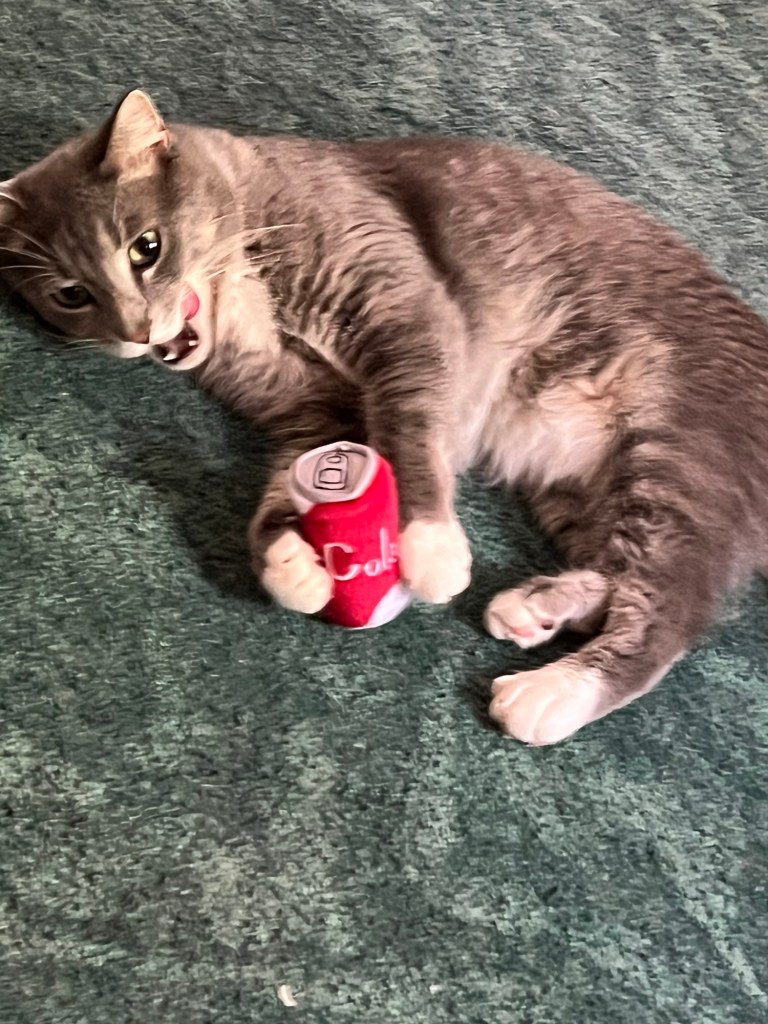
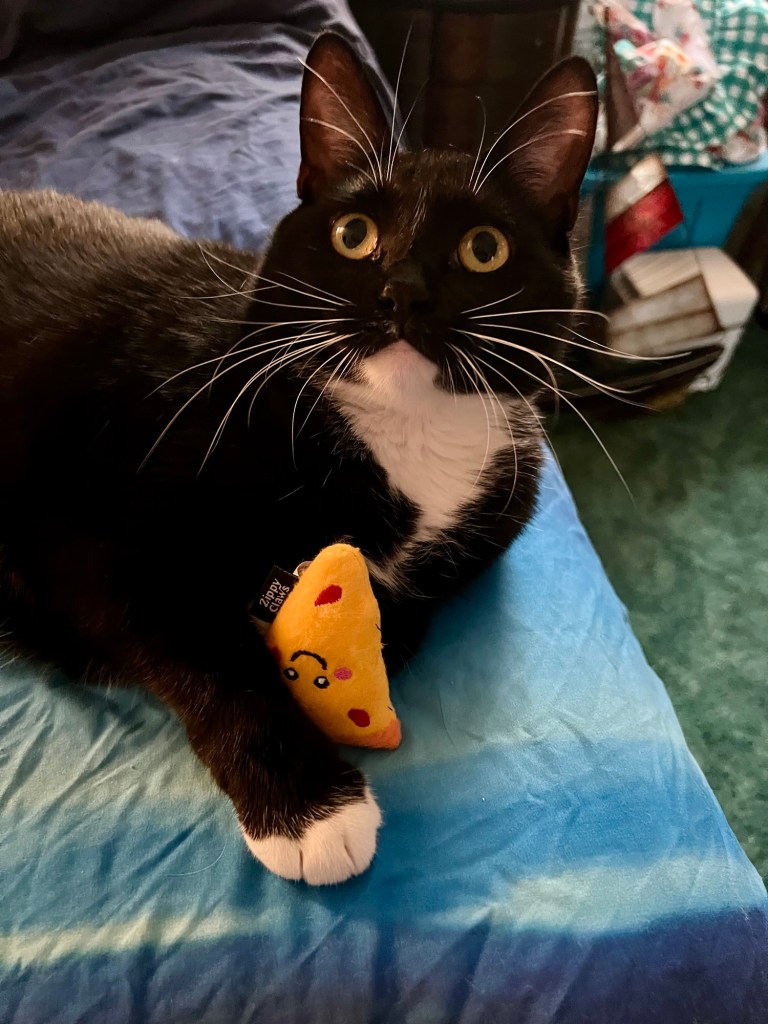
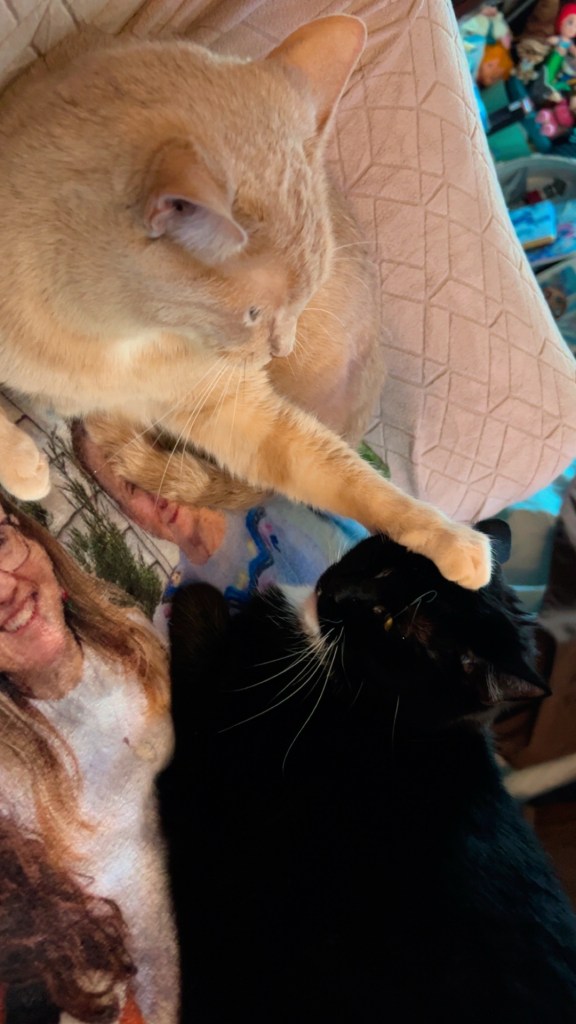
I love my furbabies! I would be lost without them, they keep me entertained as well as giving cuddles when I need!
Cats, also known as Felis catus, are small, domesticated carnivorous mammals with retractable claws, long tails, and powerful bodies. They are the only domesticated species in the Felidae family, which also includes lions, tigers, and leopards. Domestic cats are known for purring, which is thought to come from a fatty pad in their vocal cords that allows the folds to vibrate at low frequencies. Cats have acute senses and specialized teeth for hunting.
Why is it that family can be the ones to hurt you the most?
Is it because your heart is the most open with with them?
It seems that they can call you all the time but when another family member comes to visit, you are then ignored as if you don’t even exist anymore.
This has happened alot and I do my best not to let it bother me but it does. I need to harden my heart I think from now on.
Maybe then I won’t feel so hurt by my own family.
Family hurt, or the pain caused by family members, can be particularly distressing because of the close relationships involved. It can stem from a variety of issues, including aggression, lack of affection, neglect, or even violence. When family hurts, it can be challenging to navigate the emotional fallout and find ways to heal.
Here’s a more detailed look at family hurt:
1. Why Family Hurts So Much:
Proximity and Intimacy:Family members are typically the people we are closest to, sharing deep emotional bonds.
Expectations and Betrayal:We often have high expectations for family love and support, and their actions can feel like a betrayal when they cause pain.
Formative Influence:Families shape our early lives, and their behaviors can have a lasting impact on our emotional development.
Intergenerational Patterns:Dysfunctional family patterns can be passed down through generations, creating cycles of hurt and pain.
2. Common Types of Family Hurt:
Aggression:Belittling, criticism, controlling behavior, and even physical or verbal abuse can cause significant emotional damage.
Lack of Affection:Absence of verbal or physical affection, lack of support or encouragement, and feeling emotionally distant can create feelings of loneliness and insecurity.
Neglect:Ignoring or not paying attention to family members’ needs, emotional or otherwise, can be deeply hurtful.
Betrayal:Broken trust, secrets, or actions that go against family values can lead to feelings of anger and resentment.
3. Coping with Family Hurt:
Acknowledge the Pain:It’s important to acknowledge your feelings and validate your experience of hurt, rather than dismissing them.
Seek Support:Talk to a trusted friend, therapist, or support group about your experiences.
Set Boundaries:Establish healthy boundaries with family members who are causing you pain, limiting contact or communication if necessary.
Practice Self-Care:Engage in activities that help you relax, reduce stress, and nurture your emotional well-being.
Consider Forgiveness:While it may be difficult, forgiveness can be a powerful step towards healing, even if the other person doesn’t change.
Seek Professional Help:If family hurt is significantly impacting your mental health, consider seeking professional help from a therapist or counselor.
Focus on Your Own Well-being:Prioritize your own healing and growth, even if it means making difficult decisions about your relationships with family members.
4. Moving Forward:
Releasing Old Hurts:Letting go of past hurts is crucial for emotional well-being and can lead to healthier relationships in the future.
Building Healthy Relationships:Cultivate strong, supportive relationships with friends, partners, or chosen family who offer love and understanding.
Breaking Negative Cycles:By understanding your own patterns and setting boundaries, you can break free from negative family dynamics and create a healthier future for yourself.
What do you think gets better with age?
Hmmm, wine maybe?
The body sure don’t! 🤣
Many things in life and beyond improve with age. From material possessions like wine and cheese to intangible aspects like friendships and wisdom, the aging process can bring positive changes. While some physical and cognitive functions may decline, many aspects of life become richer and more fulfilling as we get older.
Here are some examples:
Things & Experiences:
Wine, Whiskey, and Cheese:These items develop more complex flavors with age due to chemical processes.
Leather Goods:Leather products like boots and jackets become more supple and develop a unique patina with age and use.
Friendships:Deeper, more meaningful relationships often develop over time as friendships mature.
Memories:While some memories may fade, older adults often report having a better understanding of their past and a greater appreciation for past experiences.
Wisdom and Perspective:With age and experience, individuals often develop greater wisdom, perspective, and the ability to make sound decisions.
Self-Confidence and Self-Acceptance:With age and experience, people often become more comfortable with themselves and less concerned about others’ opinions.
Emotional Regulation:Many find they become better at managing their emotions and handling challenging situations as they mature.
Appreciation for the Simple Things:Older adults often find greater joy in everyday moments and simple pleasures.
Cognitive Abilities:
Semantic Memory: Your knowledge of the world and experiences, including facts and figures, tends to improve with age, according to the Heritage at Brentwood.
Vocabulary and General Knowledge: Older adults tend to have a larger vocabulary and deeper understanding of language.
Decision-Making Skills: Life experience can lead to better decision-making abilities.
Other Positive Aspects:
Happiness and Well-being: Some studies suggest that happiness and well-being can increase with age.
Emotional Resilience: Older adults often develop better coping mechanisms and are more resilient in the face of challenges.
Conflict Resolution: With age and experience, people often become better at resolving conflicts.
Important Considerations:
While many things get better with age, it’s also important to acknowledge that aging is a complex process. Physical and cognitive functions may decline in certain areas, and it’s important to maintain a healthy lifestyle to mitigate these effects. However, embracing the positive aspects of aging and focusing on personal growth can lead to a fulfilling and enriching later life.
List 10 things you know to be absolutely certain.
Life is unfair.
Family is everything.
Inflation is ridiculous.
Cars are a pain in the arse.
Seasons keep changing.
The unfairness of the pay given to sports/actors/singers when people who risk life like firefighters/police get paid crackers.
Days go by too fast.
The sun keeps shining.
People are not being paid fairly in jobs to be able to survive comfortably without worry.
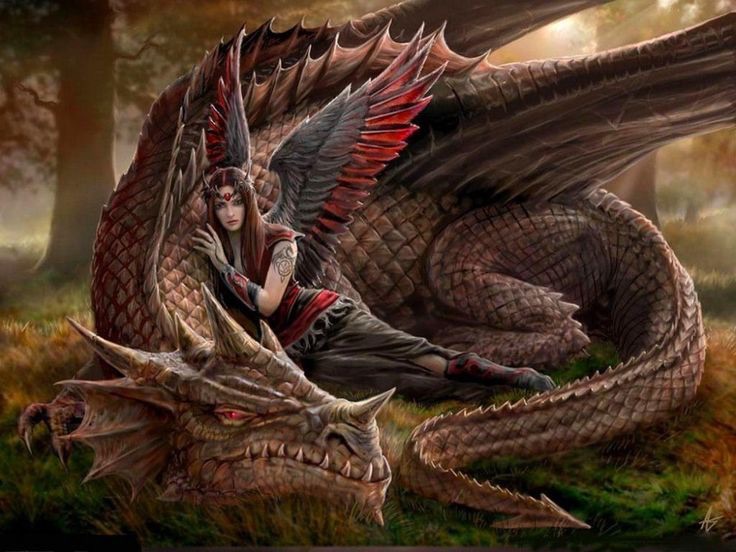
A dragon is a legendary creature, typically depicted as a large reptile-like being, often with wings, scales, and the ability to breathe fire. They feature prominently in the folklore and mythology of many cultures worldwide. While Western dragons are often portrayed as fearsome and fire-breathing, Eastern dragons are typically depicted as serpentine and benevolent, associated with water and good fortune.
Key characteristics of dragons:
Appearance:Dragons are often depicted as large, scaled reptiles, sometimes with wings (particularly in Western traditions), and can have a variety of features like horns, claws, and long tails.
Abilities:Fire-breathing is a common trait, especially in Western dragons, but dragons can also possess other abilities like flight, magical powers, and control over elements like water.
Symbolism:Dragons can symbolize a wide range of things depending on the culture, including power, wisdom, protection, chaos, and good fortune.
Cultural Significance:Dragons appear in the mythology and folklore of many cultures, including Chinese, European, and Celtic traditions, often representing different aspects of the human experience and natural world.
Variations:There are numerous variations in dragon types, ranging from the winged, fire-breathing Western dragon to the serpentine, wingless Eastern dragon.
Examples of dragons in different cultures:
Chinese dragons:Known as “long,” they are associated with water, rain, and good luck, often depicted as benevolent and serpentine.
European dragons:Typically depicted as fearsome, fire-breathing reptiles, often guarding treasure and representing evil or chaos.
Welsh dragons:The Red Dragon of Wales is a prominent symbol of Welsh mythology and folklore.
D&D dragons:In the Dungeons & Dragons role-playing game, dragons are diverse creatures with various types and abilities, often serving as powerful adversaries.
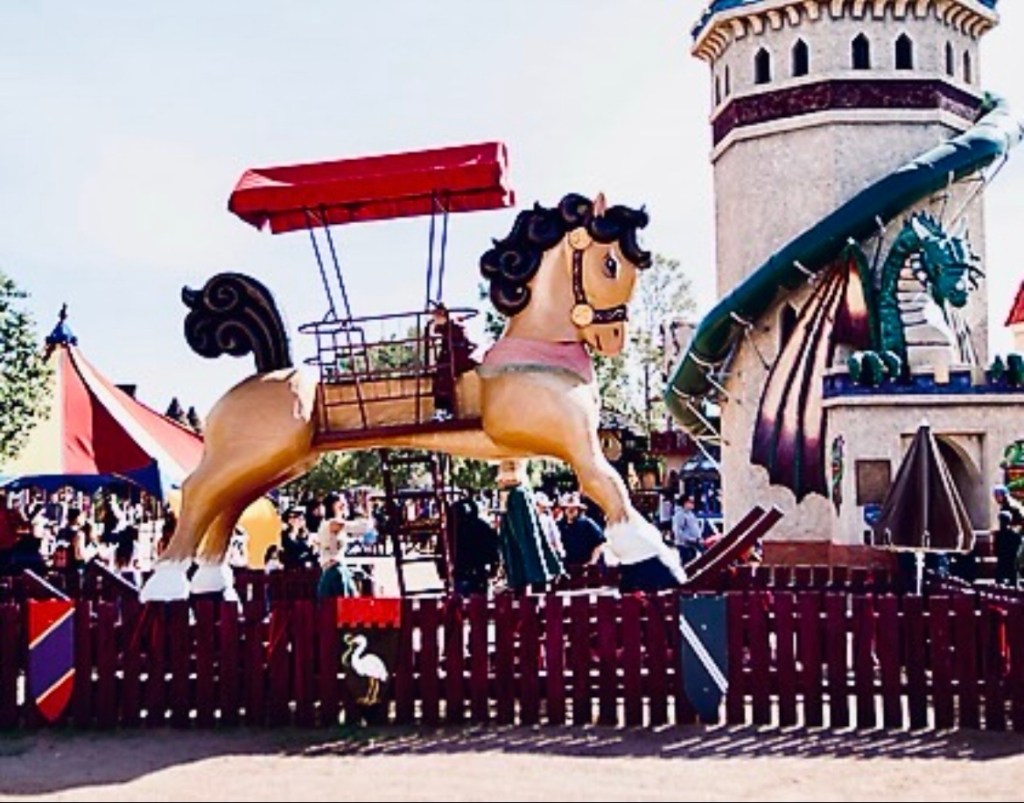
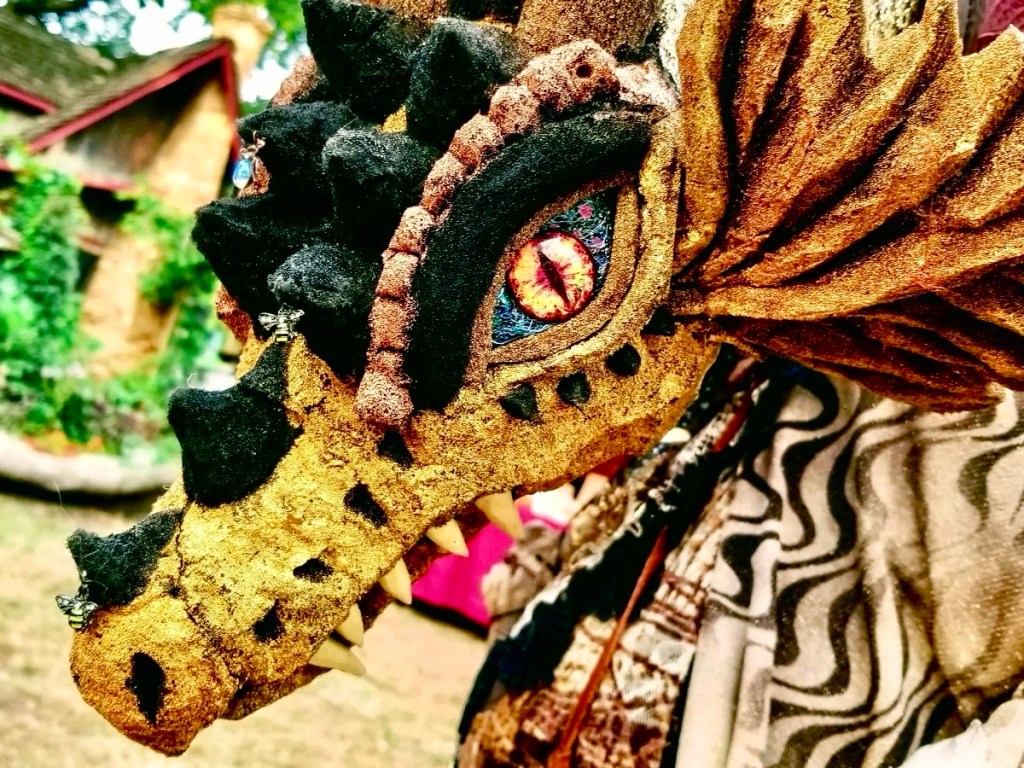
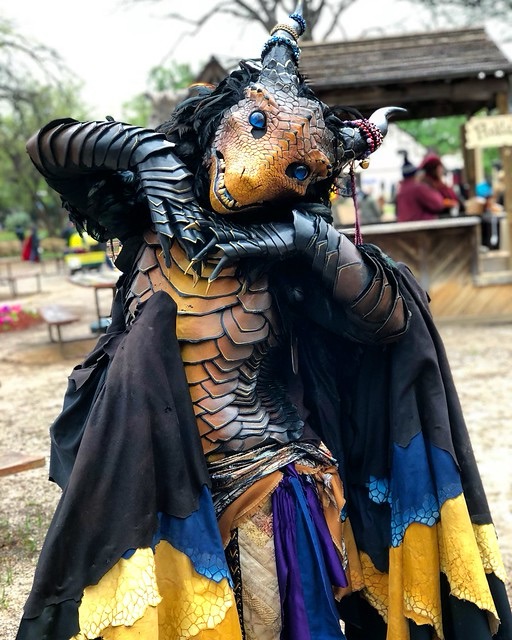
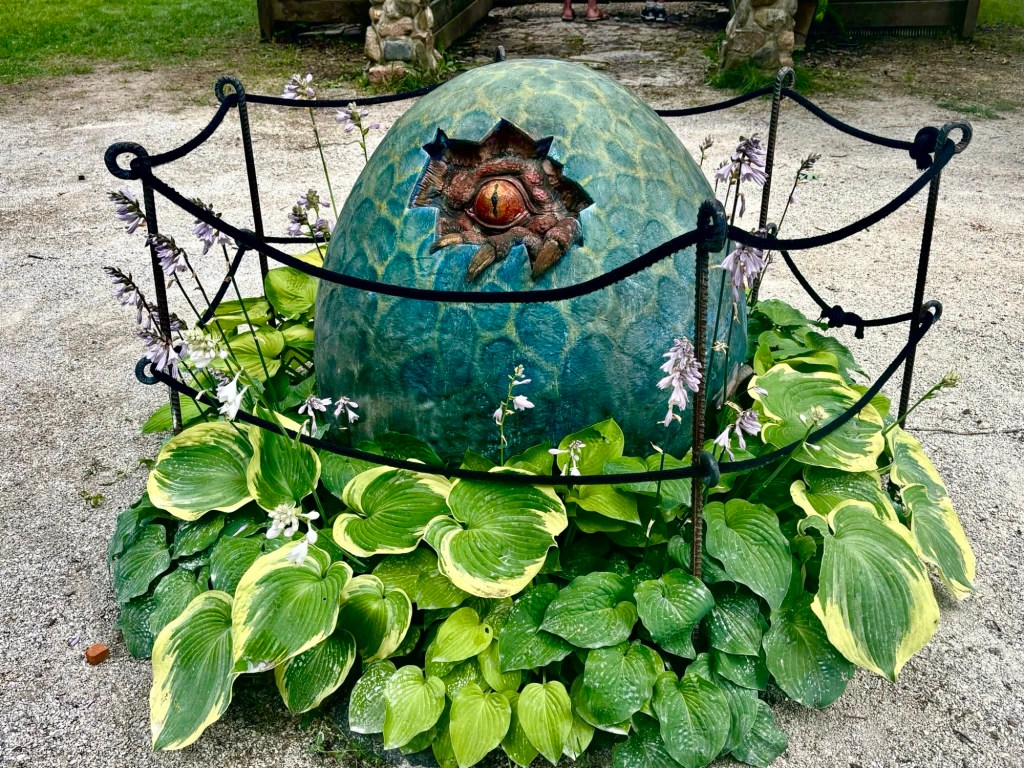
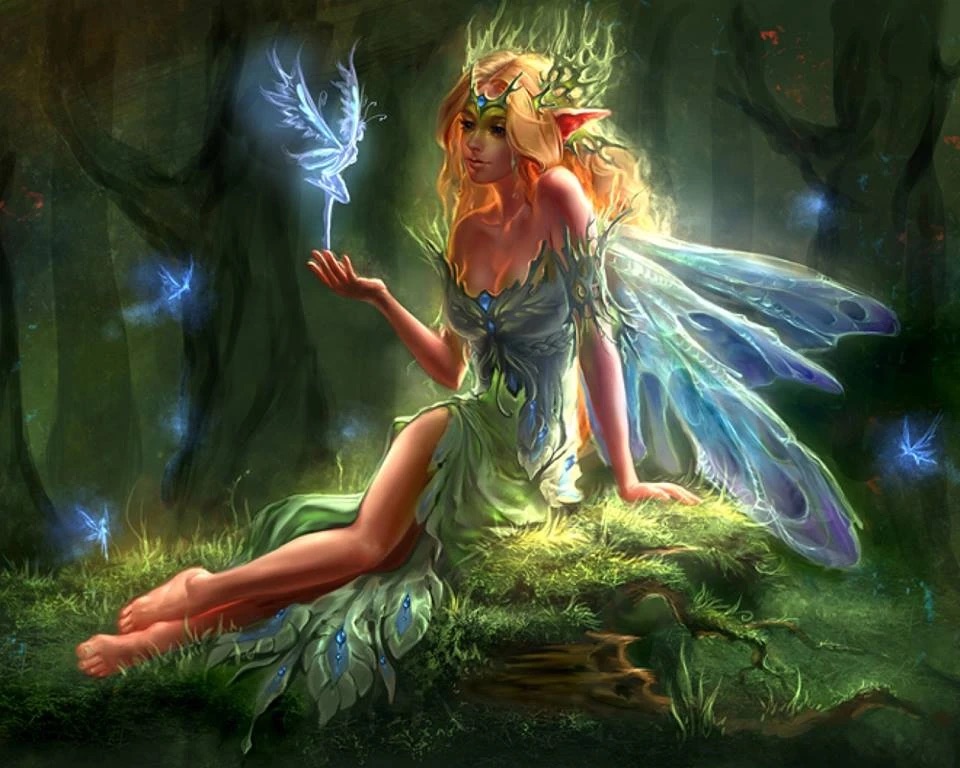
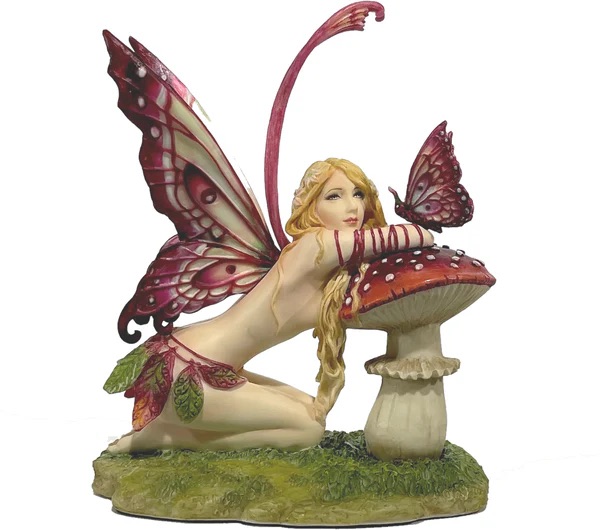
At a renaissance fair!Super cute – a – licous!Renaissance faire creature!Peek a boo!My own small dragon and fairy collection😊
I find these creatures to be intriguing!
I have enjoyed reading novels and stories about them and anything related to the renaissance faire!❤️
A fairy is a mythical creature from folklore and romance, typically depicted as a diminutive, human-like being with magical powers and often associated with nature. They can be mischievous, benevolent, or simply whimsical, and their portrayal varies across different cultures and stories.
Here’s a more detailed look:
Appearance:Fairies can be depicted as small, winged humanoids, sometimes with insect-like wings, or as more humanoid figures of varying sizes and appearances.
Powers:They possess magical abilities and are often depicted as intervening in human affairs, either for good or ill.
Folklore:Fairies are prominent figures in folklore and mythology, with variations of these beings appearing in various cultures worldwide.
Symbolism:They can symbolize magic, transformation, and the mysteries of the natural world.
Variations:The term “fairy” can be used broadly to encompass a range of supernatural beings, including pixies, sprites, and other small, magical creatures.
Modern Depictions:In modern popular culture, fairies are often portrayed as benevolent and beautiful, particularly in children’s stories, though their darker origins are still reflected in some works.
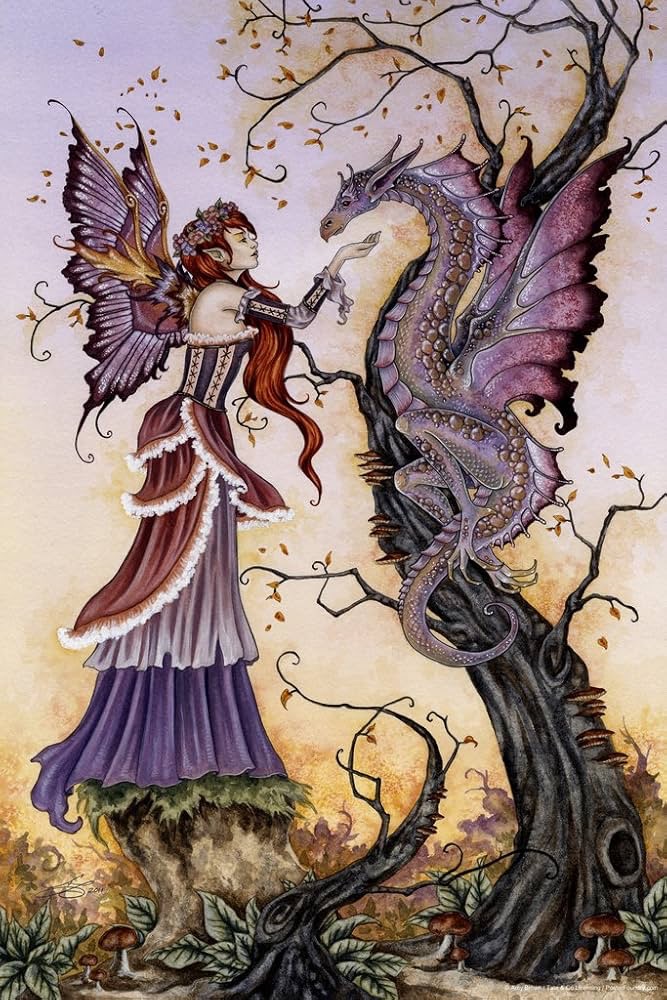
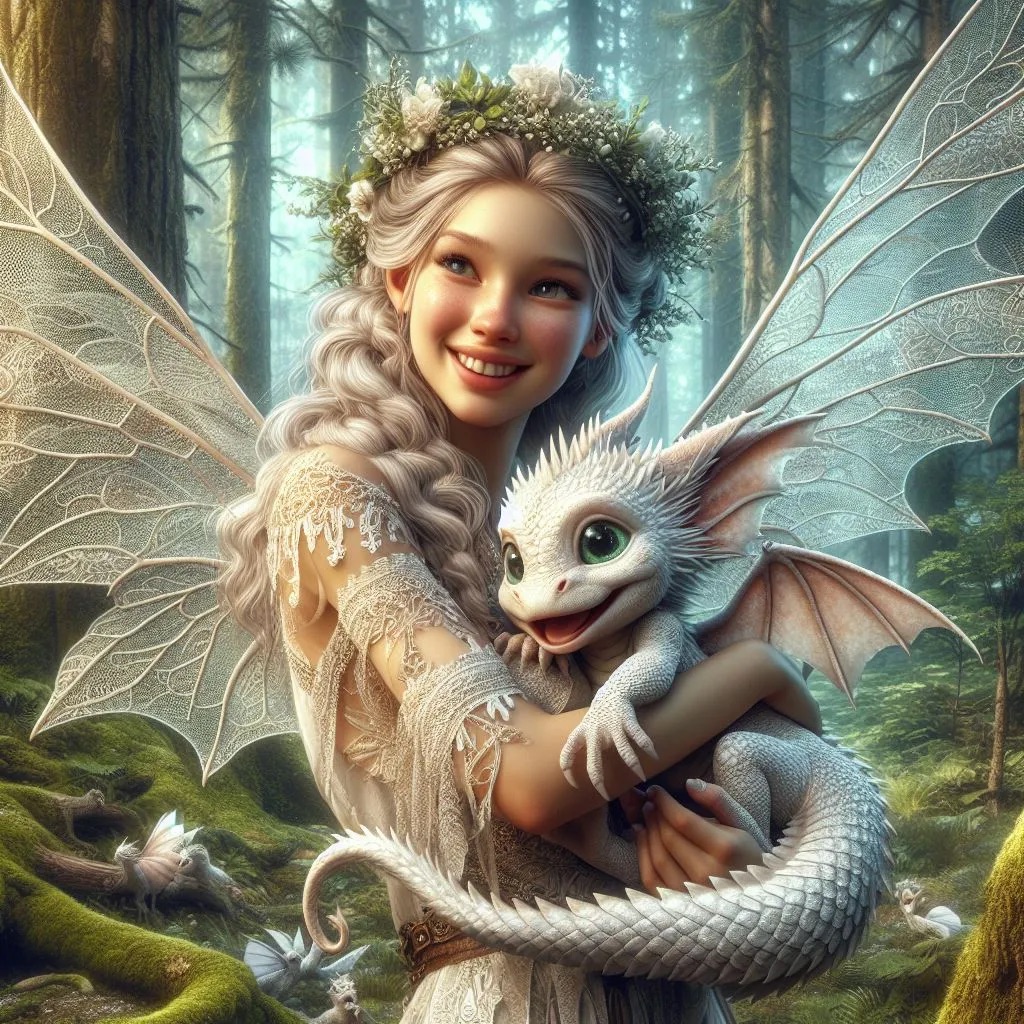
In many stories, dragons and fairies represent opposing forces, often with fairies being depicted as magical beings that can be harmed by or even conquer dragons. However, there are also instances where dragons and fairies form friendships, or where fairies have dragon-like attributes, as in the case of the fairy dragon.
Here’s a breakdown of common portrayals:
Opposing Forces:
Fairies as Weakness:In some stories, fairies are vulnerable to dragons, or dragon-slaying is a common theme in fairy tales.
Fairies as Strength:Conversely, fairies can also be depicted as powerful magic users who can defeat or dominate dragons.
Fairies’ Magic vs. Dragons:In some mythologies, fairy magic is portrayed as being able to overcome dragons, even those considered immune to magic.
Pokemon Type Weakness:In the Pokemon universe, the Fairy type is super effective against Dragon types, highlighting a type-based rivalry.
Light vs. Darkness:In some interpretations, fairies represent light and goodness, while dragons represent darkness and chaos, leading to a natural conflict.
Friendship and Hybridity:
The Fairy Dragon:A faerie dragon, or sprite darter, is a smaller, often mischievous, dragon-like creature with fairy-like qualities.
Unusual Friendships:Some stories feature fairies befriending dragons, showcasing a willingness to look beyond appearances and find common ground.
Vietnamese Mythology:In Vietnamese mythology, the Dragon Lord of Lac and the fairy princess Au Co are ancestors of the Vietnamese people, demonstrating a union of dragon and fairy.
Of Dragons and Fae:This book series by Jasmine Walt explores the romance between a dragon and a fairy.
Saint George and the Dragon:This classic tale features a dragon that terrorizes a town, highlighting the dragon as a creature of fear and destruction.
Love dragons and fairies!💐❤️
Are you seeking security or adventure?
Why not both?
An adventure is a bold, often risky undertaking that is exciting and potentially dangerous. It can involve exploring new places, experiencing new things, or engaging in activities with uncertain outcomes. The spirit of adventure often involves a willingness to step outside of one’s comfort zone and embrace the unknown, according to dictionaries.
Here’s a more detailed breakdown:
Exciting and Unusual Experience:Adventures are characterized by their unusual and exciting nature, often involving a sense of thrill and novelty.
Risk and Uncertainty:A key element of adventure is the presence of risk and uncertainty. The outcome of an adventure is not always guaranteed, and there is often a possibility of encountering challenges or even danger.
Examples:Adventures can take many forms, such as traveling to new and unfamiliar places, participating in extreme sports like skydiving or mountain climbing, or even embarking on a challenging project or endeavor.
Beyond Physical Activities:While physical activities can be a common form of adventure, the spirit of adventure can also be applied to other areas of life, such as taking on a new career path, learning a new skill, or trying a new hobby.
Personal Experience:Adventures can be both real-life experiences and fictional narratives.
Seeking Arousal and Growth:Adventures can be motivated by a desire for psychological arousal, a sense of accomplishment, or the pursuit of knowledge or personal growth.
Attitude and Mindset:Ultimately, adventure is not just about the specific activities, but also about the attitude and mindset with which one approaches life, embracing challenges and seeking new experiences.
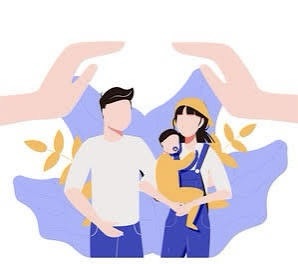
A feeling of security is a sense of safety, confidence, and freedom from fear and anxiety. It involves believing that one’s well-being, assets, and environment are protected from potential threats. This feeling is crucial for mental health and allows individuals to navigate the world, form relationships, and pursue their goals without undue stress.
Here’s a more detailed look at the concept:
Key Aspects of Feeling Secure:
Safety and Protection:Feeling secure means believing that one’s basic needs are met and that one’s physical and emotional safety is not at risk. This can encompass financial stability, a stable home environment, and freedom from violence or threats.
Confidence and Trust:A sense of security involves confidence in one’s ability to handle challenges and trust in one’s surroundings and relationships. It’s about knowing that you can rely on yourself and others.
Freedom from Fear and Anxiety:A secure feeling allows individuals to experience life without excessive worry or apprehension about potential dangers.
Emotional Security:This involves feeling safe and comfortable expressing emotions and needs within relationships and social contexts, as well as feeling supported and valued.
Inner Security:This refers to a sense of self-assurance and resilience that allows one to feel safe and at peace regardless of external circumstances.
Factors that Contribute to Feeling Secure:
Stable and Supportive Relationships:Strong connections with family, friends, and partners can provide a sense of belonging and emotional security.
Safe and Predictable Environment:Having a stable home, a sense of community, and a predictable environment can contribute to a feeling of security.
Personal Strength and Resilience:Developing coping mechanisms and a sense of personal power can help individuals feel more secure in the face of challenges.
Mindfulness and Presence:Practicing mindfulness can help individuals focus on the present moment and reduce anxiety about the future, fostering a sense of security.
Positive Self-Talk and Self-Compassion:Treating oneself with kindness and understanding can build a stronger sense of self-worth and security.
In essence, feeling secure is not just about the absence of danger, but also about cultivating a sense of confidence, trust, and well-being that allows individuals to thrive.
If you were forced to wear one outfit over and over again, what would it be?
Oh boy! Just one? Have you even seen my closet?
How am I to choose just one outfit!?
But ok, here goes, if I had to choose just the one (so not fair!)
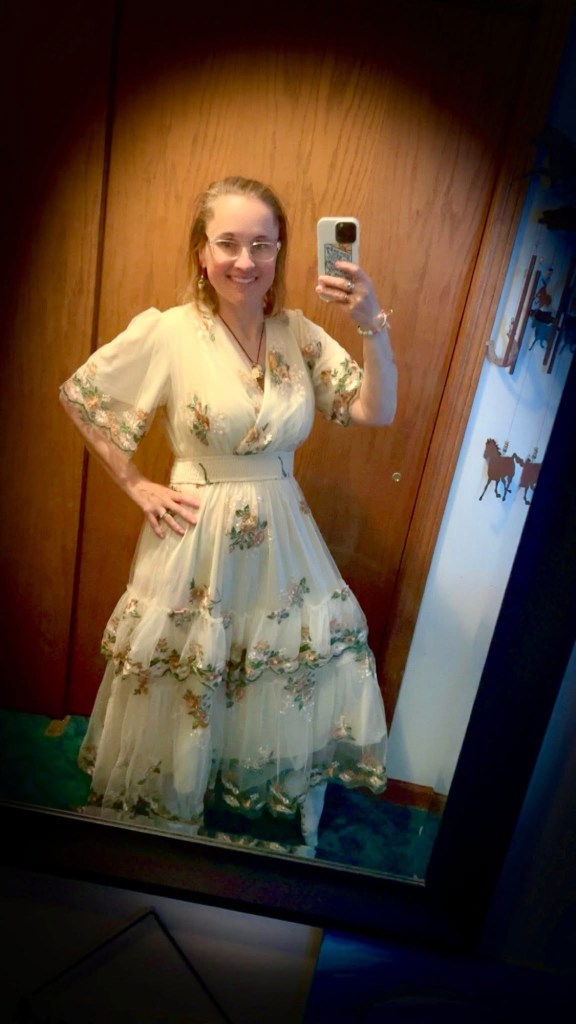
It would be my upcoming renaissance faire outfit with accessories! Simply fun and pretty! ( in my opinion!)💐
Or this one!! ❤️
What could you let go of, for the sake of harmony?
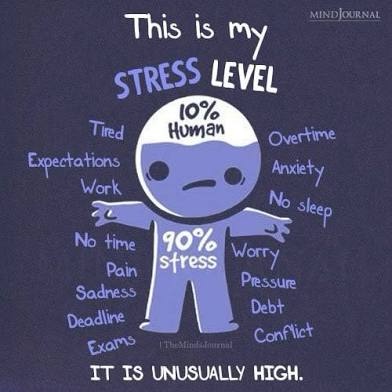
I would try to let go of stress but so hard to do so because of too many people in this world that causes stress when driving or in crowds.. The cost of living is so extravagant that all we do is struggle so that also causes stress to rear it’s head.
So harmony? Don’t know what that feels like anymore!
On the nature of stress:
“Stress is not what happens to us. It is our response to what happens, and that response is something we can choose,” says a mindfulness resource.
“Stress is caused by being \”here\” but wanting to be \”there.\”” quotes Eckhart Tolle.
“It’s not stress that kills us; it is our reaction to it,” according to Hans Selye.
On managing stress:
“The greatest weapon against stress is our ability to choose one thought over another,” according to William James.
“The key is not to prioritize what’s on your schedule, but to schedule your priorities,” suggests Stephen Covey.
“Sometimes, the bad things that happen in our lives put us directly on the path to the best things that will ever happen to us,” says Nicole Reed.
On coping with stress:
“It’s okay to not be okay. Take a deep breath and let yourself feel your emotions. But don’t stay there. Find healthy ways to cope with your stress,” according to a mindfulness resource.
“In times of great stress or adversity, it’s always best to keep busy, to plow your anger and your energy into something positive,” according to Lee Iacocca.
“Doing something that is productive is a great way to alleviate emotional stress. Get your mind doing something that is productive,” says Ziggy Marley
What is your favorite genre of music?
My fave is country music but also the sounds from the Craic show that plays at renaissance fairs.
I absolutely love Reba McEntire! She is the country Queen! I saw her in concert a couple of times!











 Live life to the fullest! Explore your world!