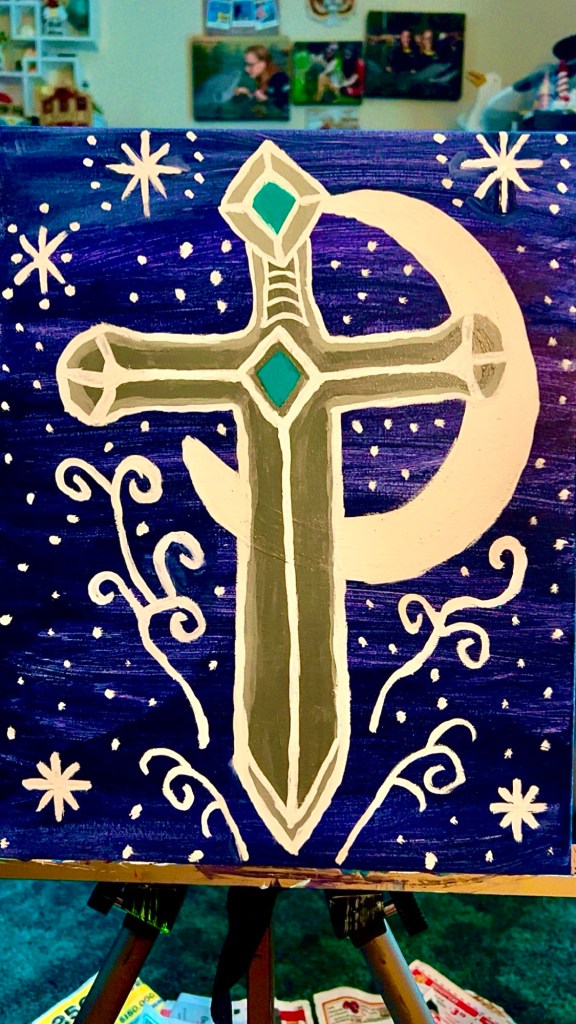
I decided to paint on canvas a picture that I had in my mind…I saw it and loved it so painted it!
I also did not sleep well due to hurting my back a few days ago and had words in my head that wanted to be let loose…so had to write it down at midnight….
Life…………
Why is life so complicated,
It makes me feel so deflated.
Yet the sun keeps shining bright,
The moon keeps glowing in the night.
The rivers keep flowing,
The wind keeps blowing.
Dragons keep me up all night,
Until the fairies bring the morning light.
The flowers bring beauty with their bloom,
Until the storms bring them to their doom.
Life continues day to day,
Even when I want it to go away.
….just a short poem and could finally get a little bit of rest.
Then I also did a couple short videos to prepare to add to my youtube channel. I did post a couple of shorts of a couple of my cats if you want to go take a look and like and subscribe! ❤️🤪 Thank you!
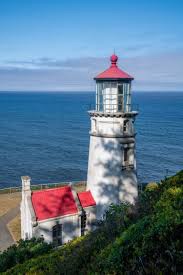
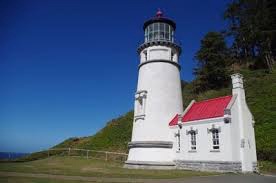
About The Haunted Lighthouse: The beacon is named in honor of the Spanish explorer, Bruno de Heceta (Ha-SEE-Ta), who discovered this place in 1755. Once approved by Congress, it took 56 men roughly two years to build the $80,000 lighthouse complex. The beacon was lit in 1893 and the first keeper was Andrew Hald.
Remarkably, the short tower—only 56’—is the most powerful light on the Oregon Coast. Perched 205’ above sea level, the light boasts a first order Fresnel lens that can seen twenty miles out to sea.
The light was automated in 1963. The keeper’s house and the lighthouse went on the National Register of Historic Places in 1978. Originally, there was a lighthouse and two keepers’ houses, as well as several outbuildings. One of the keepers’ houses was destroyed in the early 1940s. The remaining house is reportedly haunted by a woman named Rue, who has been dubbed the “Gray Lady.”
Rue is believed to have been the wife of one of the original assistant keepers. She has been seen on occasion, but her presence is most often revealed by her actions. Rue has been known to tidy up by moving objects to where she believes they belong. She is mischievous too. She has set off the fire alarm so often that the battery was removed long ago. Despite not having a battery, the alarm still goes off! She also likes to open kitchen cabinets.
According to legend, Rue had a child who got sick and died (or drowned according to some sources). Unable to bear the loss, Rue took her own life. A child’s grave has been found near the lighthouse. Many believe that Rue lingers here to be close to her child’s grave. Also known as the Gray Lady, Rue doesn’t approve of any renovations (not even repainting). This is when objects are moved and the battery-deficient alarm goes off. One time when a renovation was underway, she revealed herself to a worker while he was in the attic. The poor fellow was so spooked by his encounter with this spirit that he fled and vowed never to step foot inside the house again. He was allowed to work on exterior projects only. He was on the ladder working on the outside of the structure when he accidentally broke a window. Since the glass fell inside the house, he let the mess alone.
Later, scraping sounds were heard inside the house near the broken window. This was odd given that everyone was outside at the time. When other crew members went inside to investigate the scraping noise, they found that all the broken glass had been cleaned up. Footsteps have been heard upstairs and wailing has been heard on occasion. Is this Rue still crying over the loss of her child? The Gray Lady has often been seen in the attic window looking down at visitors. She is clearly seen during daylight hours looking out the attic window, but no one is found when the sighting is investigated. Witnesses claim they saw a shadowy gray figure or gray misty shape, which is how Rue earned her nickname, Gray Lady.
Ghost hunters can stay in the haunted keeper’s house—if they can get a reservation. There is typically a three-month waiting period for a room in the Heceta House.
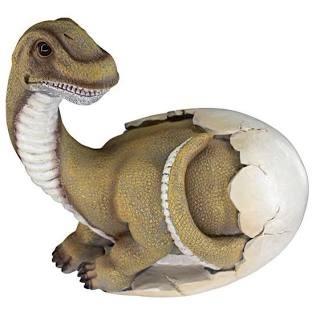
If you could bring back one dinosaur, which one would it be?
Hi ya’all!! I’m trying my hand at doing youtube videos with it focusing on thrifting hauls and my cats and horses.
Please take a look and subscribe and like videos if you could find it in your heart to do so. Life has been so hard and I am trying to find a way to succeed somewhere. We have been struggling and finding a good job lately has been failing.
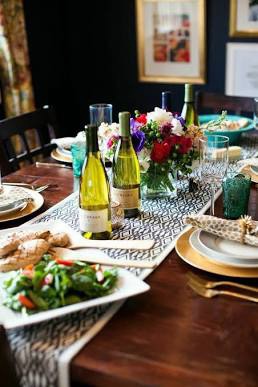
If you could host a dinner and anyone you invite was sure to come, who would you invite?
I try not to host since I find myself to be bad at it but if had to, I would invite:
Mom
Husband
Daughter
Daughter’s fiance and his family
Possibly about it since I would not want it to be a big one!
Hosting a dinner party involves careful planning of several key aspects: choosing a date, creating a guest list, planning the menu, and setting the ambiance. A successful dinner party hinges on a well-organized approach, from sending invitations to welcoming guests and ensuring a smooth flow throughout the evening.
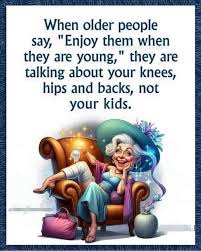
What do you think gets better with age?
Hmmm, wine maybe?
The body sure don’t! 🤣
Many things in life and beyond improve with age. From material possessions like wine and cheese to intangible aspects like friendships and wisdom, the aging process can bring positive changes. While some physical and cognitive functions may decline, many aspects of life become richer and more fulfilling as we get older.
Here are some examples:
Things & Experiences:
Wine, Whiskey, and Cheese:These items develop more complex flavors with age due to chemical processes.
Leather Goods:Leather products like boots and jackets become more supple and develop a unique patina with age and use.
Friendships:Deeper, more meaningful relationships often develop over time as friendships mature.
Memories:While some memories may fade, older adults often report having a better understanding of their past and a greater appreciation for past experiences.
Wisdom and Perspective:With age and experience, individuals often develop greater wisdom, perspective, and the ability to make sound decisions.
Self-Confidence and Self-Acceptance:With age and experience, people often become more comfortable with themselves and less concerned about others’ opinions.
Emotional Regulation:Many find they become better at managing their emotions and handling challenging situations as they mature.
Appreciation for the Simple Things:Older adults often find greater joy in everyday moments and simple pleasures.
Cognitive Abilities:
Semantic Memory: Your knowledge of the world and experiences, including facts and figures, tends to improve with age, according to the Heritage at Brentwood.
Vocabulary and General Knowledge: Older adults tend to have a larger vocabulary and deeper understanding of language.
Decision-Making Skills: Life experience can lead to better decision-making abilities.
Other Positive Aspects:
Happiness and Well-being: Some studies suggest that happiness and well-being can increase with age.
Emotional Resilience: Older adults often develop better coping mechanisms and are more resilient in the face of challenges.
Conflict Resolution: With age and experience, people often become better at resolving conflicts.
Important Considerations:
While many things get better with age, it’s also important to acknowledge that aging is a complex process. Physical and cognitive functions may decline in certain areas, and it’s important to maintain a healthy lifestyle to mitigate these effects. However, embracing the positive aspects of aging and focusing on personal growth can lead to a fulfilling and enriching later life.
What bothers you and why?
Lately?
Life…..
Life” generally refers to the state of being alive, encompassing biological processes like metabolism, growth, and reproduction, as well as the experiences and events that occur during an organism’s existence. It can also refer to the period between birth and death. Furthermore, “life” can be used more broadly to describe the quality or state of being alive or the experiences of living.
Here’s a more detailed breakdown:
Biological Perspective:
A characteristic of living organisms:Life distinguishes entities with biological processes (like signaling and self-sustaining functions) from those that lack them.
Diversity of life:Life forms include plants, animals, fungi, protists, archaea, and bacteria.
The biosphere:Life exists throughout the Earth, encompassing air, water, and soil.
Philosophical and Experiential Perspectives:
The quality of being alive:This perspective focuses on the essence of being, distinguishing the living from the dead.
Experiences and events:Life encompasses the totality of events and experiences from birth to death, including joys, sorrows, challenges, and triumphs.
A journey:Life can be seen as a journey with its own unique path and narrative.
Living a fulfilling life:This involves managing stress, finding enjoyment, building self-esteem, and cultivating resilience.
Examples in Context:
“Life” as a movie:There are several films titled “Life,” including a sci-fi thriller about an extraterrestrial life form discovered on Mars.
“Life” as a TV series:The TV series “Life” (2007-2009) follows a police detective with a unique perspective on crime and life after being wrongly imprisoned.
“Life” as a documentary:The BBC documentary series “Life” (2009) explores the diversity of life on Earth.
“Life” in the Bible:The Bible also discusses “life” in both a physical and spiritual sense, including the concept of eternal life
Comprehension:This involves understanding the meaning of the text, including making inferences, drawing conclusions, and summarizing information.
Fluency:This refers to reading accurately, at a good pace, and with appropriate expression and intonation.
Motivation:A crucial factor in reading is the reader’s desire and engagement with the text.
Reading is a fundamental skill that underpins learning, communication, and personal enrichment. It’s a complex skill that develops over time and benefits from both explicit instruction and opportunities for practice.
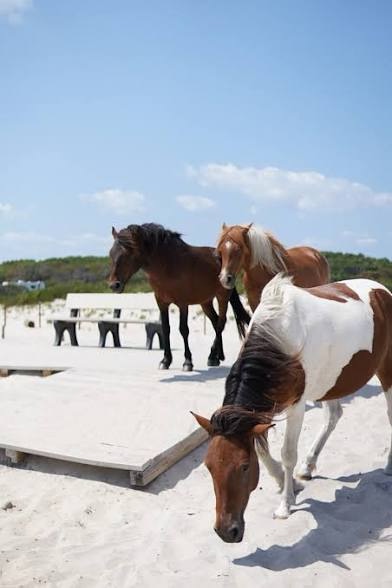
Visiting horses!
Horses are large, herbivorous mammals with solid hooves that have been domesticated since prehistoric times. They are part of the Equidae family, which also includes zebras and donkeys. Horses have evolved over 45–55 million years from a small, multi-toed creature to the single-toed animal we know today. Domestication and uses: Horses were likely first domesticated in central Asia between 3000 and 4000 B.C. for their milk and meat sadly.






 Live life to the fullest! Explore your world!